CVE-2026-32746: Patch Telnetd RCE Flaw Before Attackers Strike

CVE-2026-32746: Why This Telnetd RCE Flaw Is a Ticking Time Bomb
In early March 2026, security researchers uncovered a critical vulnerability in Telnetd that has since sparked a wave of attacks targeting exposed systems worldwide. Dubbed CVE-2026-32746, this unauthenticated remote code execution (RCE) flaw allows attackers to gain root-level access to vulnerable devices with just a few crafted packets—no credentials required. Threat intelligence firms like GreyNoise and Shodan have already detected mass scanning activity for port 23, the default Telnet port, as attackers race to exploit unpatched systems before defenders can respond.
This isn’t just another vulnerability—it’s a full-system compromise waiting to happen. If you’re running Telnetd on any device—whether it’s a Linux server, an IoT router, or an industrial control system—this flaw puts you at immediate risk. In this guide, we’ll break down how CVE-2026-32746 works, who’s affected, and—most importantly—how to patch, mitigate, and secure your systems before attackers strike.
How the Telnetd RCE Flaw Works: A Technical Breakdown
 Photo by cottonbro studio on Pexels
At its core, CVE-2026-32746 is a memory corruption vulnerability in the Telnet daemon’s authentication mechanism. When a client connects to Telnetd on port 23, the service processes incoming data before verifying credentials. Attackers can exploit this by sending maliciously crafted packets that trigger a buffer overflow, allowing them to execute arbitrary code with root privileges.
The Exploit Chain: From Port Scan to Root Shell
Here’s how an attack unfolds:
- Reconnaissance: Attackers use tools like Shodan or Masscan to find devices with port 23 open.
- Initial Connection: The attacker sends a Telnet handshake request to the target.
- Malicious Payload: Instead of a legitimate login sequence, the attacker injects a payload that overflows a buffer in Telnetd’s memory.
- Code Execution: The overflow corrupts the process stack, redirecting execution to the attacker’s shellcode.
- Root Access: The attacker gains a root shell, giving them full control over the system.
Why This Flaw Is Critical
- CVSS Score: 9.8 (Critical): The flaw scores near the maximum severity due to its low attack complexity, high impact, and lack of required privileges.
- Unauthenticated Access: No credentials are needed—just network access to port 23.
- Public Exploit Code: Proof-of-concept (PoC) exploits are already circulating on GitHub, lowering the barrier for attackers.
- Widespread Exposure: Shodan data shows over 500,000 devices with port 23 exposed to the internet, many of which are likely running vulnerable Telnetd versions.
For historical context, this flaw is reminiscent of CVE-2020-10188, another critical Telnetd vulnerability that allowed unauthenticated RCE. However, CVE-2026-32746 is even more severe due to its broader impact across multiple Linux distributions and embedded systems.
Who Is at Risk? Affected Systems and Distributions
 Photo by
 CVE-2026-32746 affects a wide range of systems, from enterprise servers to consumer IoT devices. Here’s a breakdown of the most vulnerable targets:
Affected Software
The flaw impacts multiple implementations of Telnetd, including:
- netkit-telnetd (common in Debian/Ubuntu)
- inetutils-telnetd (used in Fedora, CentOS, and embedded Linux)
- Proprietary Telnetd implementations (found in routers, switches, and industrial devices)
Vulnerable Linux Distributions
| Distribution | Affected Package | Patched Version (if available) |
|---|---|---|
| Debian | netkit-telnetd | telnetd-0.17-41+deb12u1 |
| Ubuntu | netkit-telnetd | telnetd-0.17-41ubuntu0.1 |
| CentOS | inetutils-telnetd | inetutils-2.0-1.el8_5.1 |
| Fedora | inetutils-telnetd | inetutils-2.2-1.fc36 |
Note: Always check your distribution’s security advisories for the latest updates.
IoT and Legacy Systems at High Risk
Telnet is often used in embedded devices where SSH isn’t available or practical. Devices at risk include:
- Routers and Switches: Many consumer-grade routers (e.g., Netgear, TP-Link) and enterprise switches (e.g., Cisco) ship with Telnet enabled by default.
- Industrial Control Systems (ICS): Telnet is still used in some SCADA systems and PLCs, particularly in legacy environments.
- Medical Devices: Older medical equipment, such as imaging systems, may rely on Telnet for remote management.
- VoIP and PBX Systems: Some IP phones and private branch exchanges (PBX) use Telnet for configuration.
Why IoT Is Particularly Vulnerable
- Lack of Patching Mechanisms: Many IoT devices never receive security updates, leaving them permanently exposed.
- Default Credentials: Even if Telnetd is patched, weak or default credentials (e.g.,
admin:admin) can still provide attackers with access. - Exposed to the Internet: IoT devices are often deployed with minimal network security, making them easy targets for port scans.
Unaffected Systems
- Systems without Telnetd: If you’ve never installed or enabled Telnetd, you’re not at risk.
- Distributions with patched packages: Some vendors (e.g., Red Hat) have already released fixes. Check your distribution’s security advisories.
For official details, refer to:
- NVD Entry for CVE-2026-32746
- Vendor advisories (e.g., Cisco Security Advisory, Netgear Support)
Step-by-Step Patching Guide for CVE-2026-32746
The only definitive fix for CVE-2026-32746 is to apply the official patch from your distribution or vendor. Below are the steps to update Telnetd on major Linux distributions.
Official Patches
Debian/Ubuntu
- Update your package list:
sudo apt update - Install the patched version of Telnetd:
sudo apt install --only-upgrade telnetd - Restart the Telnet service (if running):
sudo systemctl restart inetd # or xinetd, depending on your setup
CentOS/RHEL/Fedora
- Update Telnetd using
yumordnf:sudo yum update inetutils-telnetd # CentOS/RHEL sudo dnf update inetutils-telnetd # Fedora - Restart the service:
sudo systemctl restart xinetd
Arch Linux
- Update all packages:
sudo pacman -Syu - If Telnetd is installed, ensure it’s updated to the latest version.
Manual Workarounds (If No Patch Is Available)
If a patch isn’t yet available for your system, disable Telnetd immediately and implement these mitigations:
1. Disable Telnetd
Stop and disable the Telnet service:
sudo systemctl stop telnetd
sudo systemctl disable telnetd
For systems using xinetd:
sudo sed -i 's/disable = no/disable = yes/' /etc/xinetd.d/telnet
sudo systemctl restart xinetd
2. Block Port 23 at the Firewall
Use iptables or ufw to block Telnet traffic:
# iptables
sudo iptables -A INPUT -p tcp --dport 23 -j DROP
sudo iptables-save | sudo tee /etc/iptables/rules.v4

# ufw (Ubuntu/Debian)
sudo ufw deny 23
3. Network Segmentation
- Isolate vulnerable devices from the internet or critical internal networks.
- Use VLANs or internal firewalls to restrict access to port 23.
Verification: How to Check If You’re Vulnerable
Check if Telnetd Is Running
sudo netstat -tulnp | grep 23
# or
sudo ss -tulnp | grep telnetd
If Telnetd is listening on port 23, you’re exposed.
Test for Vulnerability
Use Nmap to check for the flaw:
nmap -p 23 --script telnetd-rce-check <target_IP>
Note: Replace <target_IP> with your server’s IP. This script may not be available yet, so check the Nmap NSE database for updates.
Temporary Mitigations: How to Buy Time Until a Patch
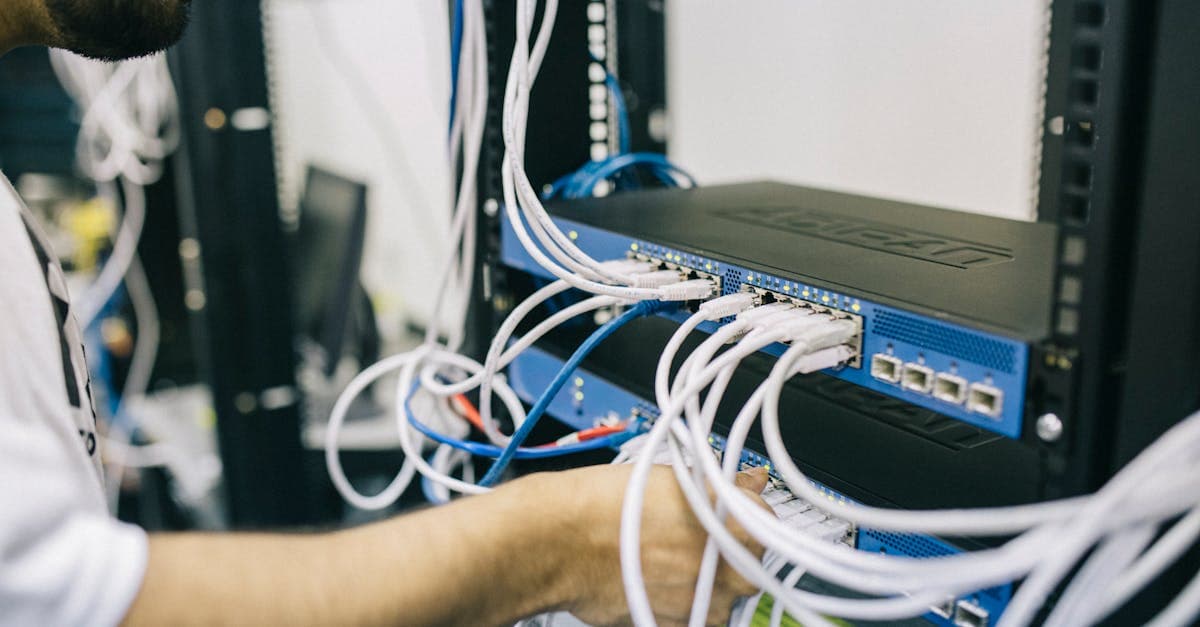 Photo by Field Engineer on Pexels
If you can’t patch immediately, these steps will reduce your risk while you work on a permanent fix.
1. Firewall Hardening
Restrict access to port 23 to trusted IPs only:
sudo iptables -A INPUT -p tcp -s <trusted_IP> --dport 23 -j ACCEPT
sudo iptables -A INPUT -p tcp --dport 23 -j DROP
For cloud environments (e.g., AWS, Azure):
- Use Security Groups or Network Security Groups (NSGs) to block port 23.
2. Disable Telnet and Use SSH
Telnet is inherently insecure—it transmits data (including passwords) in plaintext. Replace it with SSH as soon as possible:
Install and Enable SSH
# Debian/Ubuntu
sudo apt install openssh-server
sudo systemctl enable --now ssh

# CentOS/RHEL
sudo yum install openssh-server
sudo systemctl enable --now sshd
Secure SSH
- Disable password authentication and use SSH keys:
sudo sed -i 's/PasswordAuthentication yes/PasswordAuthentication no/' /etc/ssh/sshd_config sudo systemctl restart sshd - Install
fail2banto block brute-force attacks:sudo apt install fail2ban # Debian/Ubuntu sudo yum install fail2ban # CentOS/RHEL sudo systemctl enable --now fail2ban
3. Network-Level Protections
Deploy an Intrusion Detection/Prevention System (IDS/IPS) to detect exploit attempts:
- Snort Rule Example:
alert tcp any any -> $HOME_NET 23 (msg:"CVE-2026-32746 Exploit Attempt"; content:"|<malicious_payload>|"; sid:1000001; rev:1;) - Suricata: A modern alternative to Snort with similar capabilities.
4. Monitoring and Logging
Enable Telnetd logging to detect suspicious activity:
# Edit /etc/xinetd.d/telnet and add:
log_on_success += USERID
log_on_failure += USERID
Restart xinetd:
sudo systemctl restart xinetd
Set up alerts for:
- Failed login attempts
- Unusual commands (e.g.,
wget,curl,bash)
Long-Term Fixes: How to Prevent Future Telnet Vulnerabilities
Patching CVE-2026-32746 is just the first step. To future-proof your systems, follow these best practices:
1. Replace Telnet with SSH
Telnet is obsolete and should never be used in production. Migrate to SSH:
- Generate SSH Keys:
ssh-keygen -t ed25519 - Copy the Public Key to Servers:
ssh-copy-id user@server_IP - Disable Telnet:
sudo systemctl stop telnetd sudo systemctl disable telnetd - Test SSH Access:
ssh user@server_IP
2. Automate Patching
Enable automatic security updates to ensure you’re always protected:
- Debian/Ubuntu:
sudo apt install unattended-upgrades sudo dpkg-reconfigure unattended-upgrades - CentOS/RHEL:
sudo yum install yum-cron
sudo systemctl enable --now yum-cron
3. Segment Your Network
- Use VLANs to isolate IoT and legacy devices from critical systems.
- Deploy internal firewalls to restrict lateral movement.
4. Monitor for Exposed Services
Regularly scan your network for exposed Telnet or other insecure services:
nmap -p 23,22,80,443 --open <your_network_range>
Tools like Shodan and Censys can also help identify exposed services.
5. Use a VPN for Remote Access
If you must manage devices remotely, use a VPN to encrypt traffic and restrict access. GhostShield VPN, for example, provides end-to-end encryption and zero-trust access controls, ensuring that only authorized users can connect to your network—even if a device is exposed to the internet.
Key Takeaways: What You Need to Do Now
-
Patch Immediately:
- Update Telnetd to the latest version for your distribution.
- If no patch is available, disable Telnetd and use SSH instead.
-
Block Port 23:
- Use firewalls (
iptables,ufw, or cloud security groups) to block Telnet traffic.
- Use firewalls (
-
Monitor for Exploits:
- Enable logging for Telnetd and set up alerts for suspicious activity.
- Deploy an IDS/IPS (e.g., Snort, Suricata) to detect exploit attempts.
-
Replace Telnet with SSH:
- Telnet is insecure by design. Migrate to SSH and disable Telnet permanently.
-
Segment Your Network:
- Isolate vulnerable devices from critical systems to limit the impact of a breach.
-
Automate Patching:
- Enable automatic security updates to stay protected against future vulnerabilities.
-
Use a VPN for Remote Access:
- If you must manage devices remotely, use a zero-trust VPN like GhostShield to encrypt traffic and restrict access.
Final Thoughts: The End of Telnet?
CVE-2026-32746 is a stark reminder of the dangers of legacy protocols. Telnet was designed in an era when security wasn’t a priority, and its continued use in 2026 is a ticking time bomb. While patches and mitigations can buy you time, the only long-term solution is to eliminate Telnet entirely and replace it with modern, secure alternatives like SSH.
For sysadmins and security teams, this flaw is a wake-up call: legacy systems and protocols are prime targets for attackers. By taking action now—patching, segmenting, and monitoring—you can protect your systems from this and future threats.
Stay vigilant, stay patched, and never trust Telnet again.
Related Topics
Keep Reading

How to Secure Your Smart Home from Hackers in 10 Minutes

Illinois May Ban Smart Glasses While Driving—Here’s What You Need to Know

AI Bots Are Tracking You Online—Here’s How to Stop Them

UK Passport Data Leak: How to Check & Protect Your Details Now

How to Tell If Your Phone Has Spyware & Remove It in 2026

FBI Shut Down a Hacker VPN—Is Your VPN Safe to Use?
Protect Your Privacy Today
GhostShield VPN uses AI-powered threat detection and military-grade WireGuard encryption to keep you safe.
Download Free