How to Torrent Safely in 2026: Avoid Lawsuits, Hackers & ISP Throttling
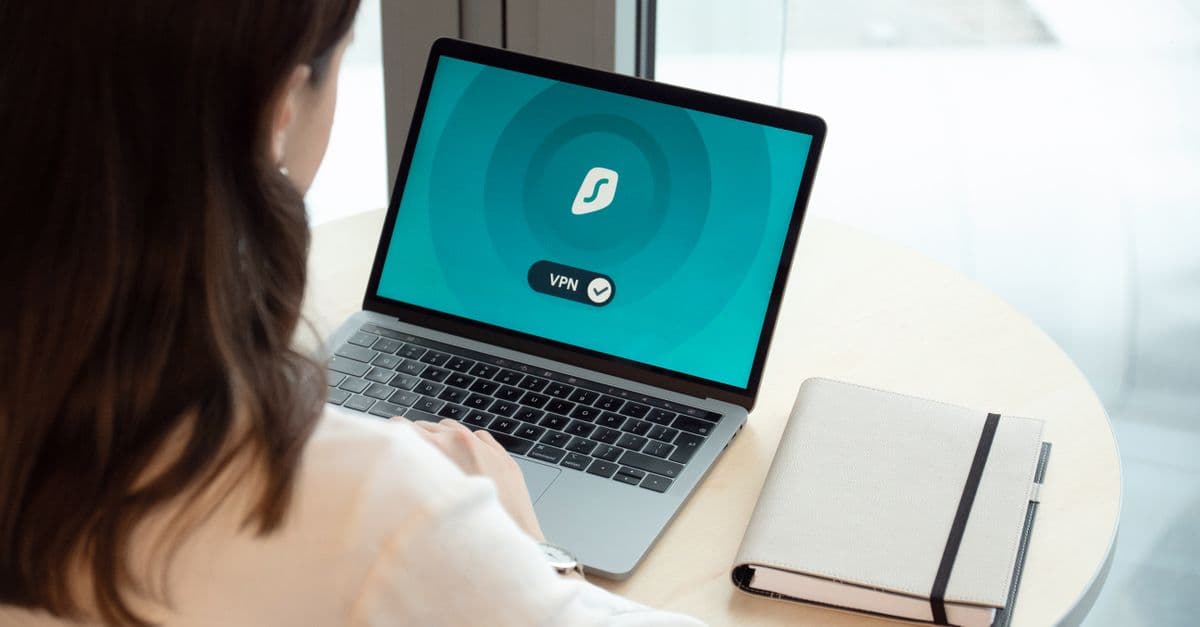
Is Torrenting Even Safe in 2026? The Quick Reality Check
Think of torrenting like a neighborhood watch program on steroids. Every computer sharing a file can see the IP addresses of all the others in the swarm. Unless you’re hiding yours, you’re basically shouting your home address to strangers, some of whom are paying close attention.
The days of “no one’s watching” are long gone. Copyright monitors now use AI to scan swarms in real time, automatically sending complaints to your internet provider. ISPs aren’t just forwarding warnings anymore; many are throttling your connection after a single alert, and some even share data with rights holders. The risks aren’t just legal, they’re built into the everyday mechanics of torrenting.
But this isn’t a doom-and-gloom story. With the right setup, you can torrent like a ghost. You can be invisible to trolls, lawyers, and malware. This guide shows ordinary people exactly how to do that, without needing a degree in computer science.
Legal Landmines: DMCA, ISP Throttling, and the Patchwork of Country Laws
 Photo by Joerg Hartmann on Pexels
Imagine driving through a toll booth without a transponder. A camera snaps your license plate, and a fine shows up in your mailbox a few weeks later. Downloading a movie without protection works much the same way, except in 2026 the cameras are AI-powered and the fines are automated.
The Digital Millennium Copyright Act (DMCA) has evolved. Notice-and-takedown requests have become notice-and-sue threats for anyone who keeps uploading after multiple warnings. ISPs now escalate repeat notices faster, and some throttle your entire household’s internet speed after just one strike. It’s not just about legal letters anymore. It’s about the inconvenience of a crawling connection while you’re trying to work from home or stream a show.
The rules also vary wildly depending on where you live. Germany is notoriously aggressive, tracking file-sharing with fines that can reach €1,000 or more. The United States tends to send ISP warnings, with occasional settlement demands from law firms. Switzerland is relatively hands-off, but don’t count on borders to protect you if you travel with a device that’s still seeding. Always know where your traffic appears to exit, in other words, the location of your VPN’s server. That’s the country whose laws apply to that moment.
The Dark Side of Downloads: Malware & IP Leaks Are Not Just a “Tech Problem”
 Photo by ready made on Pexels
Think of a torrent file like a gift box with an unlocked padlock. Anyone can stuff it with something nasty, ransomware, keyloggers, or a script that turns your computer into a bot for someone else’s attack. In 2026, AI-generated fake torrents look identical to the real thing. They use the correct file name, cover art, and even faked user comments to trick you.
Then there’s the IP leak nightmare. Without a kill switch, your real IP can blip into the swarm for just a second, like a bank robber who forgets the mask for one frame on a security camera. That’s all a copyright monitoring firm needs to log your address and send a complaint.
Practical tip: Before you download anything, check the comments, the file size, and the uploader’s reputation. If a 4K movie is only 500MB, it’s either a miracle or a minefield. Use a VPN with a built-in malware blocker and an automatic kill switch that cuts your internet if the VPN drops. This ensures even a momentary hiccup won’t expose you.
Your Invisibility Toolkit: VPNs, Seedboxes & Usenet (Yes, There Are Options)
A VPN is Your Digital Invisibility Cloak
A VPN tunnels your traffic through an encrypted pipe and masks your IP address. But not all cloaks are equal. You need one that refuses to keep logs, has no DNS or WebRTC leaks, and is fast enough for streaming. If you’re new to this, our What Is a VPN and How Does It Work? primer explains why the “no-logs” policy is non-negotiable. If a service keeps records, it can hand them over when asked, defeating the purpose entirely.
Seedboxes: Your Torrenting Safe Deposit Box
A seedbox is like renting a safe deposit box for your digital downloads. The torrent file downloads to a remote server in a torrent-friendly country. Then you fetch the finished file via a secure, private link (like HTTPS or SFTP). Your home IP never touches the swarm. This is perfect for heavy users or anyone living in a country with strict copyright enforcement.
Usenet: The VIP Lounge of File Sharing
Usenet is a subscription-based service that predates the web. It’s not peer-to-peer, so no one sees your IP address. Speeds are always maxed out, and the barrier to entry keeps out most casual pirates and, critically, the malware sprayers. Think of it as premium cable versus public access TV. It costs a bit each month, but the safety and speed are often worth it.
Your Step-by-Step Guide to Safe Torrenting in 2026 (For Normal People)
 Photo by Jakub Zerdzicki on Pexels
Step 1: Armor Up Before You Even Open Your Browser
Start by subscribing to a reputable VPN that has dedicated P2P servers, a kill switch, and a proven no-logs policy. In our Complete Guide to Online Privacy, we cover how to vet these features. Once installed, bind your torrent client to the VPN’s network interface. This simple setting is like welding your door shut. If the VPN drops for any reason, all torrent traffic stops instantly. No blips, no leaks.
Step 2: Find Trusted Sources and Spot the Scammy Ones
Private trackers are like gated communities with less crime. If you can get an invite, they’re the safest bet because uploads are curated. Public trackers still work but demand extreme caution. Always read user comments, cross-check file sizes, and avoid anything uploaded by an account with a generic name like “newuser123.” Trust your gut. If something feels off, it probably is.
Step 3: Download and Scan Like a Health Inspector
After a download finishes, don’t open anything until you’ve scanned it with a modern antivirus. If the file is software, check its hash against a reputable checksum database. And never, ever run a .exe file that came from a torrent labeled “crack” unless you’ve tested it inside a sandbox first. A sandbox is like a quarantined playpen for programs, it lets you see what the file does without risking your actual system.
Staying Ahead of AI Copyright Cops: Future-Proofing Your Torrenting
AI isn’t just writing emails anymore. It’s analyzing torrent swarms in real time, matching file fingerprints, and automatically issuing complaints. To stay hidden, stop acting like a predictable human. Vary your VPN servers regularly. Don’t always grab the most popular file in a swarm, it’s the one under the heaviest surveillance. If your VPN offers obfuscated servers, use them. These servers make your encrypted traffic look like regular web browsing to any deep-packet inspectors.
Watch out for the “honeypot” trap. Copyright holders now seed corrupted or trackable files that look perfect. The best defense is a private tracker that curates uploads, or a seedbox that downloads first and auto-scans content before you ever touch it. That way, the risky encounter happens on a remote server, not your personal device.
Finally, backups aren’t just for work files. Keep a copy of your VPN configuration and a list of trusted mirror sites so you’re never desperate enough to disable your safety net. In 2026, convenience is the virus and patience is the antidote.
Key Takeaways: Your Cheat Sheet for Staying Safe
- Always bind your torrent client to your VPN’s network interface. This kills the connection if the VPN drops, preventing IP leaks.
- Use a VPN with a verified no-logs policy, a kill switch, and dedicated P2P servers. Speed matters too, so test it with a large legal download before committing.
- Prefer private trackers when possible. On public trackers, read comments, check file sizes, and avoid brand new uploaders.
- Scan every downloaded file with an antivirus. If it’s software, verify the hash and never run executables without a sandbox.
- Vary your VPN server locations and consider obfuscated servers to fly under AI-powered surveillance.
- For the ultimate peace of mind, pair a VPN with a seedbox or switch to Usenet. Both keep your home IP completely out of the swarm.
If you’re ready to torrent without stress, GhostShield VPN offers dedicated P2P servers, a bulletproof kill switch, and a strict no-logs policy audited by independent experts. You can protect your connection in just a few minutes. Try GhostShield risk-free and see how easy safe torrenting can be.
Related Topics
Keep Reading

How to Permanently Delete Social Media Accounts in 2026—Keep Your Data Safe

Using a VPN for Online Banking? 5 Risks You Need to Know in 2026

How to Stop Your Apple Watch from Listening to You (2026 Privacy Guide)

7 Workplace Surveillance Tools Your Boss Uses in 2026 (And How a VPN Helps)

How to Use AI Chatbots Safely: 7 Simple Rules to Protect Your Data

How to Watch Avengers: Doomsday Early Without Spoilers Using a VPN
Protect Your Privacy Today
GhostShield VPN uses AI-powered threat detection and military-grade WireGuard encryption to keep you safe.
Download Free