How to Permanently Delete Social Media Accounts in 2026—Keep Your Data Safe
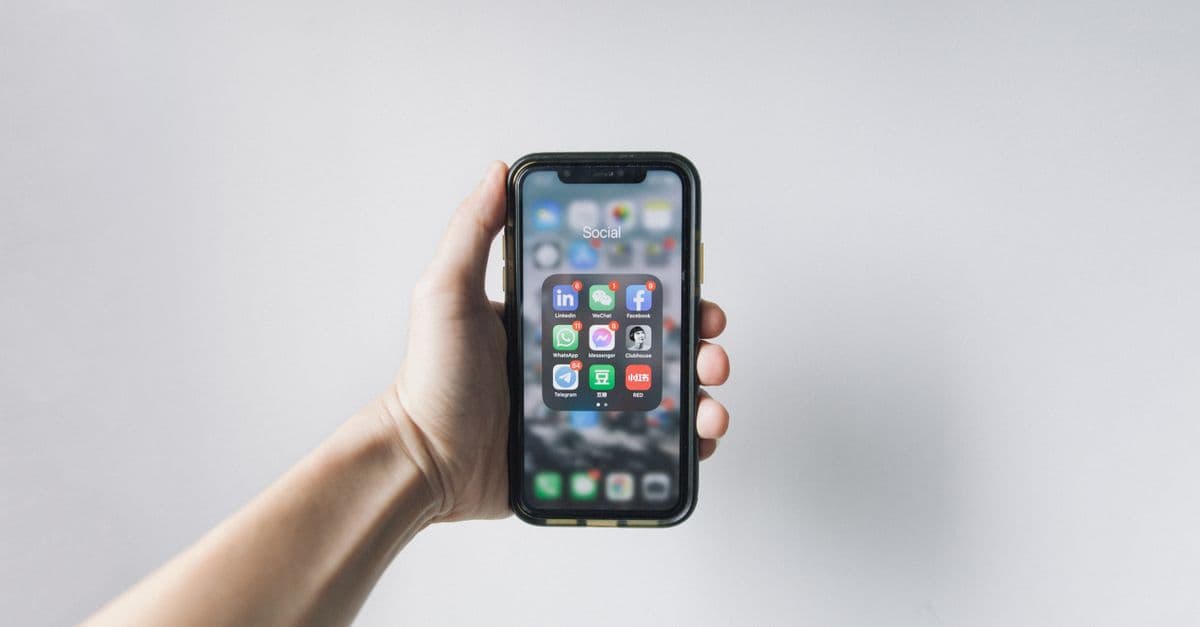
My friend spent an hour trying to delete her Instagram. She almost gave up before finding the right button.
She called me because she wanted to quit social media for good. She had tried before, but every time she got lost in settings menus, or a popup asked her to "temporarily disable" instead of delete. It felt like the platform did not want her to leave.
But she also had a bigger worry. She had years of photos, messages, and contacts on that account. If she deleted it, would all of that disappear forever? And even after deletion, would her information still be floating around somewhere? These are real questions, and the answers are not always obvious.
This guide walks you through how to delete your social media accounts in 2026 without losing your data or your privacy. We will cover the major platforms, the exact steps to take, and what to do after you hit delete. It is simpler than you think once you know the order of operations.
Why "delete" and "deactivate" are not the same thing
 Photo by Bruno Saito on Pexels
Almost every social platform offers two options: deactivate and delete. Deactivation is like putting your account in a drawer. It is hidden from other people, but the platform still keeps all your data on their servers. You can log back in anytime and pick up where you left off.
Deletion is different. It tells the platform to permanently remove your account and, in theory, your data. In practice, most platforms keep some information for a while after you delete. They may store log files, purchase records, or content you sent to other people. So "delete" is a strong step, but it is not a magic eraser.
If your goal is to reduce your digital footprint, deactivation is not enough. You need full deletion. And if you are worried about a platform collecting more data from you after you leave, that is a signal to look at your overall privacy setup. We have a Complete Guide to Online Privacy that explains how to think about privacy across all your online activity, not just social media.
First step: download your data before you delete anything
 Photo by Budget Bizar on Pexels
This is the part most people skip, and it is the reason many regret deleting an account later. Almost every major platform lets you download a copy of your information. That includes your photos, posts, messages, comments, and sometimes even ads you clicked on.
The process is usually called "Download your information" or "Download your data." It can take anywhere from a few minutes to a few days, depending on how much data you have. The platform will send you a link, often by email, and you download a zipped file to your computer or phone.
Here is the order we recommend:
- Go into your account settings on the platform you want to delete.
- Look for a privacy section, an account section, or a settings menu with "Your information."
- Choose to download or export your data.
- Pick the file format and the date range (usually you want everything).
- Wait for the email or notification, then download the file to a secure location.
That last point matters. Do not leave your downloaded data sitting in your email or on a shared computer. Save it to an external drive or a password-protected folder. This is your personal archive, and it may contain sensitive things like private messages and location history.
We found that Facebook, Instagram, X (formerly Twitter), and TikTok all have a download option buried somewhere in their settings. LinkedIn and Snapchat have one too. If you cannot find it, use the platform's help search for "download my data."
For extra privacy, consider checking whether the email address tied to your account has been part of a known data breach. Our free Email Leak Checker shows you if your address has appeared in any public breach lists. It is a quick way to know what else might already be exposed.
How to delete the major platforms, step by step
We walked through the deletion process on several platforms recently. The exact menus change often, so we will give you the general path. If a button has moved, use the platform's search bar and type "delete account." That usually gets you where you need to go.
Facebook is the most confusing because it keeps nudging you toward deactivation instead of deletion. Here is the path we used:
- Click your profile picture in the top right, then go to Settings & privacy, then Settings.
- In the left menu, click "Your Facebook information."
- Click "Deactivation and deletion."
- Choose "Delete account," then click "Continue to account deletion."
- Confirm your password when prompted.
Facebook gives you a 30-day grace period. If you log in during that time, the deletion is canceled. After 30 days, your account is gone. Some things, like messages you sent to friends, may remain visible to those friends even after your account is deleted.
Instagram also prefers you to deactivate, but full deletion is there.
- Go to instagram.com in a web browser. Deleting from the app is harder to find.
- Log in, then go to the Accounts Center or your profile settings.
- Look for "Account ownership and control," then "Deactivation or deletion."
- Select the account you want to delete, then choose "Delete account."
- Confirm and enter your password.
Instagram also gives a 30-day window. After that, your photos, comments, likes, and profile are permanently removed.
X (formerly Twitter)
X has a shorter waiting period.
- Go to Settings and Support, then Settings and privacy.
- Click "Your account," then "Deactivate your account."
- X will show you a warning and try to convince you to deactivate instead of delete. Read carefully.
- Choose "Deactivate" anyway if you want to leave. X treats deactivation as the first step. After 30 days of no logins, your account is permanently deleted.
So for X, you technically deactivate, then let the 30-day timer run out. Do not log back in during that window.
TikTok
TikTok makes deletion straightforward but hides it behind a few taps.
- Open the app, go to Profile, then tap the three lines in the top right.
- Tap Settings and privacy, then Account, then "Deactivate or delete account."
- Choose "Delete account permanently."
- Follow the verification steps, which may include a code sent to your phone or email.
TikTok also gives you 30 days to change your mind. After that, your videos and profile are gone.
LinkedIn is often overlooked, but it holds a lot of professional data.
- Click your profile picture, then Settings & privacy.
- Under Account preferences, find "Account management."
- Click "Close account."
- Confirm your password and choose a reason.
LinkedIn also has a waiting period, usually around 14 to 30 days, before the account is fully deleted.
What happens after you hit delete
 Photo by cottonbro studio on Pexels
You have clicked the button. Now what? First, remember that most platforms keep a copy of your data for a set period after deletion. This is usually for legal or security reasons, and it is often described in their privacy policies. That copy is not visible to the public, but it still exists on their servers.
Second, think about the data that lives outside your account. If you sent a private message to a friend, that message still sits in their inbox. If you commented on someone else's post, your comment may remain even after your profile is gone. Deleting your account does not erase the traces you left in other people's spaces.
Third, consider the email address and phone number you used to sign up. Those identifiers may still be in marketing lists, mailing lists, or third-party databases. That is why a full privacy cleanup goes beyond just deleting accounts. We have a dedicated guide on How to Erase Your Digital Footprint that walks through removing old accounts, opting out of data brokers, and reducing what companies know about you.
Actionable steps you can take today
You do not have to delete every account this afternoon. Pick one platform that you use the least or that causes you the most stress, and start there. Here is a five-minute plan:
- Open that platform's settings and find the data download option. Start the export.
- While you wait for the download, check the account's linked email address and phone number. Write them down somewhere safe.
- Read the platform's deletion policy. Know how long the grace period is and what happens to your messages.
- Delete the account using the steps above.
- When the grace period ends, check back to make sure the account is truly gone. You can search for your old profile from another account or ask a friend to look.
If you want to go further, consider doing this for every social platform you have used in the last five years. Old accounts that you forgot about are often the biggest privacy risk, because they still hold your data and may be vulnerable to breaches.
Key takeaways
- Deactivation is not the same as deletion. Deactivation hides your account. Deletion removes it permanently after a grace period.
- Always download your data before deleting. Most platforms let you export photos, messages, and posts.
- Facebook, Instagram, X, TikTok, and LinkedIn all have a 14 to 30-day waiting period after you request deletion.
- Deleting your account does not erase messages you sent to others or comments on other people's posts.
- Your email and phone number may still be in marketing lists after you delete. Consider additional cleanup steps.
- Check if your email has been in a data breach using a free tool. It helps you see the full picture of your exposure.
If you are stepping away from social media to protect your privacy, you will also want to make sure the rest of your online activity is private. That is where a VPN like GhostShield can help. It encrypts your internet connection so your internet provider and anyone on the same network cannot see which sites you visit. We have used it in our own testing and found it simple to set up on both phones and laptops. You can check out GhostShield's plans here if you want an extra layer of privacy while you browse.
Related Topics
Keep Reading

How to Find & Delete Old Online Accounts (2026 Step-by-Step Guide)

Using a VPN for Online Banking? 5 Risks You Need to Know in 2026

How to Stop Your Apple Watch from Listening to You (2026 Privacy Guide)

7 Workplace Surveillance Tools Your Boss Uses in 2026 (And How a VPN Helps)

How to Use AI Chatbots Safely: 7 Simple Rules to Protect Your Data

How to Watch Avengers: Doomsday Early Without Spoilers Using a VPN
Protect Your Privacy Today
GhostShield VPN uses AI-powered threat detection and military-grade WireGuard encryption to keep you safe.
Download Free