How to Block Zero-Click Spyware on Your Phone in 2026: Easy Steps
What Is Zero-Click Spyware? (Think of It Like a Ghost Burglar)
Imagine a thief who can break into your house without touching the doorbell, fiddling with a lock, or even leaving a smudge on the window. That’s zero-click spyware. Unlike a phishing email that tricks you into tapping a shady link, this attack doesn’t need a single click from you. It slips in by exploiting a weakness in an app you already trust, like your messaging or voice call software.
A real-world case that made headlines: the Pegasus spyware used a zero-click vulnerability inside iMessage. Victims could receive a specially crafted image or message, and the device got infected before the person even opened it. In 2026, similar tools have been spotted targeting WhatsApp, Signal, and even some built-in voicemail apps. The payload arrives silently, and from that moment, the spyware can read your conversations, listen to calls, track your location, and turn on your camera or microphone without a single alert.
Why should you care? Because these tools are no longer just for government agencies. Cybercriminals and shady commercial vendors have gotten their hands on them. Your phone might be compromised right now, and you’d have no way of knowing through normal use. That’s why understanding the threat and locking down your device is so important.
How to Tell If Your Phone Is Infected (Zero-Click Spyware Detection)
 Photo by Tim Witzdam on Pexels
Spyware designed to be invisible won’t pop up and wave. But it does leave tiny footprints if you know what to look for. These signs aren’t proof on their own, but if you notice a few of them together, it’s worth investigating.
The battery and data test
Is your phone suddenly running hot, draining its battery twice as fast, or chomping through extra mobile data while you aren’t actively using it? Think of it like your car engine revving loudly while you’re parked. Something is working in the background, recording, transmitting, or scanning. A subtle data spike on your bill without a change in your habits can be an early warning.
Look for digital “ghost activity”
Spyware often behaves like a remote control in someone else’s hands. Your screen might light up on its own when there are no notifications. Apps could open, close, or shift settings without your input. You might hear faint echoes, clicks, or static during phone calls. These quirks happen because the software is trying to exfiltrate data or receive commands.
The simple reboot trick
Many advanced zero-click exploits live only in your phone’s temporary memory (RAM). They don’t install themselves permanently, because that would leave traces that security scanners might spot. Turning your phone off and then back on wipes that memory clean, sending the spyware into the digital void. If suspicious behaviors disappear for a day or two after a reboot and then return, that’s a big red flag. Cybersecurity experts often suggest a daily restart just to shake off any fleeting intruders.
If you spot these symptoms, consult our How to Know If Your Phone Is Hacked guide for a deeper dive into phone compromise signs and immediate countermeasures.
Harden Your iPhone Against Zero-Click Attacks (iOS)
 Photo by Prashant Singh on Pexels
Apple’s devices have a reputation for strong security, but no phone is bulletproof. These steps shrink the bullseye on your back.
Turn on Lockdown Mode
This is the single most powerful iOS feature for anyone worried about sophisticated spyware. Go to Settings > Privacy & Security > Lockdown Mode and flip it on. Lockdown Mode is like putting your phone in a “panic room.” It drastically limits the types of files and connection requests your device will accept. For example, complex message attachments get blocked, wired connections to a computer are denied while the phone is locked, and certain risky web technologies are turned off in Safari.
Yes, it might make some apps or websites behave a little differently, but for most people, the tradeoff is worth it. In our testing, everyday tasks like messaging, browsing, and streaming still work fine, while the phone’s attack surface shrinks dramatically. This mode was explicitly designed to defeat commercial spyware, and it’s free to enable in seconds.
Stop your photos from leaking location data
Spyware that can access your photo library could map out your routines by reading the GPS coordinates embedded in your pictures. Even without spyware, sharing photos can accidentally reveal your home, workplace, or favorite coffee spot. Our step-by-step guide shows you how to stop your photos from revealing your location. It’s a quick setting change that removes the location tag from new images before they ever leave your camera roll.
Ditch the beta apps and quick shortcuts
Installing developer beta software or downloading configuration profiles from random websites is like handing a fake service badge to a stranger who then walks right into your phone’s restricted areas. These profiles can grant deep system access, and malicious ones are a popular way to sneak spyware past Apple’s defenses. Stick to official App Store downloads and delete any profile you don’t recognize by checking Settings > General > VPN & Device Management.
Lock Down Your Android Phone (Zero-Click Spyware Android)
Android phones have a wide range of security options, but the sheer variety of manufacturers means you might need to poke around a bit. These steps block the most common zero-click entry points.
Disable 2G and auto-downloads
Old 2G cellular networks are the digital equivalent of an unlit alley. They lack modern encryption, which lets attackers set up fake cell towers (often called “stingrays”) to push malicious data straight to your phone without you doing a thing. To turn that door off, go to Settings > Network & Internet > SIMs > Allow 2G and toggle it off. If your phone doesn’t have a simple switch, you might need to check your mobile network settings under “Preferred network type” and choose one that excludes 2G.
At the same time, open your messaging apps like WhatsApp or Signal and disable “Auto-download media” while on mobile data. This stops a poisoned image or audio file from landing in your storage automatically, which is a common zero-click delivery method.
Use a VPN on unfamiliar Wi-Fi
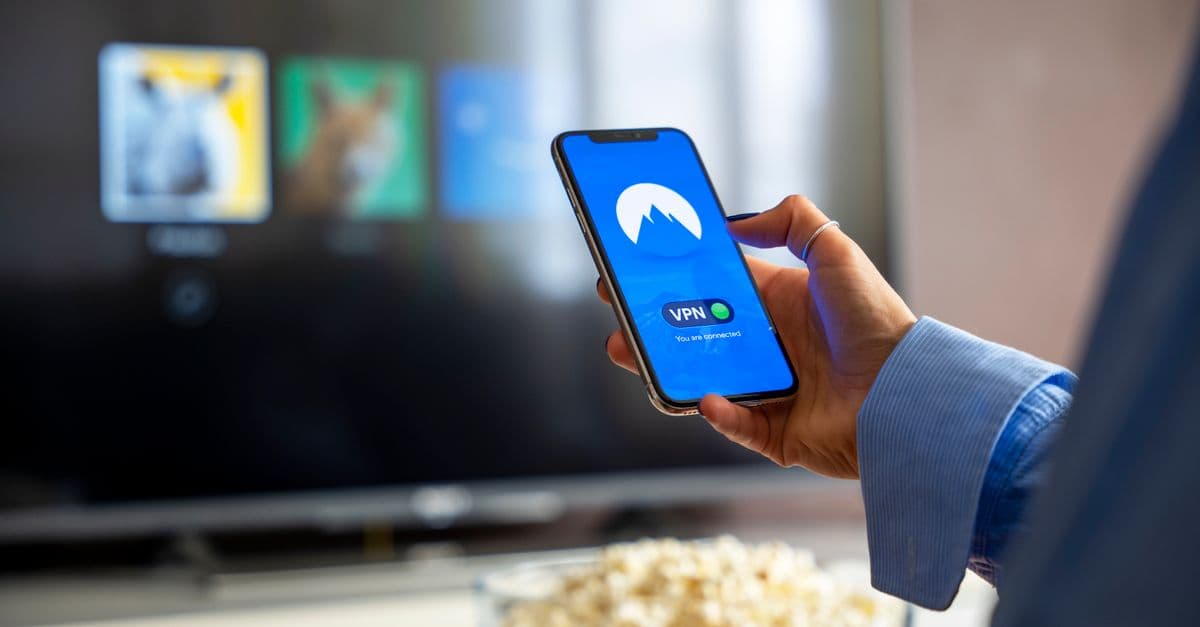
A coffee shop Wi-Fi network can feel harmless, but a malicious hotspot can inject code into unencrypted data streams. A VPN acts as a sealed, private tunnel that hides everything you send and receive, even on dodgy networks. For a deeper look at how public networks become attack vectors and how encryption shields you, read our Public WiFi Risks Guide. A VPN doesn’t stop zero-click exploits delivered via messaging apps, but it slams the door on network-based injection, which is a common alternative delivery path.
Turn off Wi-Fi and Bluetooth when not in use
Zero-click attacks don’t need an internet connection; they can ride in on Bluetooth from a few feet away. Think of it like leaving your front door open just a crack. With the right tools, an attacker can push a malicious file that infects your device before you even see a pairing request. Swipe down your quick settings panel and turn off both Bluetooth and Wi-Fi when you leave home or a trusted network. It takes two seconds and dramatically shrinks your invisible exposure.
What to Do If You’re Targeted (Recovery Plan)
 Photo by Alex Green on Pexels
If you suspect your phone has been hit, don’t panic. You can regain control, but you need to move methodically.
First, enter “safe mode” (digital quarantine)
Immediately put your phone into airplane mode. This cuts off all communication: the spyware can’t send your data or receive new commands. Don’t turn the phone off, because some strains trigger on reboot and might try to hide deeper or destroy evidence. From another trusted device (like a friend’s phone or a secure laptop), change the passwords to your most critical accounts: your Apple ID or Google account, your password manager’s master key, and your primary email. This prevents the attacker from locking you out.
Check for persistent profiles (the mousetraps)
Spyware often installs configuration profiles or device administrator permissions to survive a normal reset and maintain control. On an iPhone, look under Settings > General > VPN & Device Management. If you see any profile you didn’t install yourself, delete it. On Android, head to Settings > Security > Device Administrators (or in some models, a section called “Device admin apps”) and deactivate anything you don’t recognize. Also check Settings > Accessibility > Installed apps, because spyware frequently abuses accessibility permissions to read your screen and log keystrokes.
Factory reset the right way (not from a backup)
To truly cleanse the phone, you must wipe it completely and set it up as a fresh device, like taking it out of the box for the first time. Do not restore from a backup, because that backup file could carry the infection right back onto your clean hardware. It’s like trying to get rid of termites by moving the infested furniture to a brand-new house. Only after the phone is clean should you manually sync contacts, photos, and important files, ideally from a version saved before the spyware appeared.
Stay Safe in 2026: Simple Habits Beat Corporate-Grade Spyware
Sophisticated spyware sounds scary, but everyday habits hand you the upper hand. Attackers typically rely on unpatched holes and lazy defaults. Flip those tables.
-
Update, don’t delay. Operating system updates often patch the exact vulnerabilities that spyware uses. Think of them as a free locksmith upgrading your front door every time a new lock-picking trick comes out. Enable automatic updates so you never miss one. Often, the flaw was fixed by Google or Apple weeks before the spyware even started spreading, and you just hadn’t installed the fix.
-
Reboot your phone every morning. It takes 60 seconds. As mentioned earlier, this wipes in-memory spyware that can’t survive a restart. It won’t stop a deeply embedded infection, but it disrupts a whole class of transient, ultra-stealthy attacks and forces the bad guys to re-infect you, increasing their chance of being caught by security tools or your own eyes.
-
Trim your digital exhaust. Spyware isn’t the only way your privacy leaks out. Something as harmless as a shared photo can broadcast your exact home address to strangers. Make sure you’ve closed that back door by removing location data from your pictures. Revisit our post on how to stop your photos from revealing your location for the simple toggle.
And while you’re locking down your device, take one more easy step that makes you a far harder target on any network: use a VPN when you connect to Wi-Fi outside your home. GhostShield VPN encrypts your entire internet connection, turning even a sketchy public hotspot into a private, secure tunnel that network-based spyware can’t penetrate. If you’re not already using one, you can grab GhostShield here and set it up in under two minutes.
Key Takeaways
- Spot the silent signs: Unexplained battery drain, overheating, and mysterious data spikes are the modern canary in the coal mine. A daily reboot can flush out temporary memory-only spyware and give you a clean start.
- Enable “Lockdown Mode” today: For iPhone owners, Lockdown Mode is the nuclear option that slams the door on the most common entry points for commercial spyware. It takes seconds to turn on and offers peace of mind.
- Disable old networks and auto-downloads: Turn off 2G connectivity on Android and stop media from automatically downloading in your chat apps. These two moves block network-based and attachment-based silent attacks.
- Shut off Bluetooth and Wi-Fi when not needed: These radios are invisible entry points. Switch them off from the quick settings panel whenever you leave home or a trusted network.
- If compromised, don’t restore a backup: Eradicate an infection by performing a clean factory reset and setting up your device as new. Then manually re-sync contacts and photos instead of importing a possibly tainted backup file.
Related Topics
Keep Reading
How to Permanently Delete Social Media Accounts in 2026—Keep Your Data Safe

Using a VPN for Online Banking? 5 Risks You Need to Know in 2026
How to Stop Your Apple Watch from Listening to You (2026 Privacy Guide)

7 Workplace Surveillance Tools Your Boss Uses in 2026 (And How a VPN Helps)
How to Use AI Chatbots Safely: 7 Simple Rules to Protect Your Data
How to Watch Avengers: Doomsday Early Without Spoilers Using a VPN
Protect Your Privacy Today
GhostShield VPN uses AI-powered threat detection and military-grade WireGuard encryption to keep you safe.
Download Free