How to Protect Your License Plate from Police Cameras in 2026

You Parked at the Coffee Shop, and a Camera Took Note
Last Tuesday, you drove to a café, grabbed a latte, and drove home. You probably did not notice the small camera mounted on a police car parked two blocks away. Or the one above the traffic light at the intersection. Or the one on a tow truck that passed you in the other lane.
All three likely captured your license plate, stamped the exact time and location, and added that data to a searchable database.
This is not science fiction. Automated license plate readers, usually called ALPRs, are now a normal part of driving in 2026. They are used by police, repo companies, parking garages, and even private neighborhoods. The question is not whether they exist. The question is how much of your daily life they are quietly drawing on a map, and what you can do about it.
Below, we walk through how these cameras work, why they matter, and the legal, practical steps you can take today to reduce how often your plate gets scanned and stored.
What an Automated License Plate Reader Actually Does
 Photo by Martijn Stoof on Pexels
Think of an ALPR like a barcode scanner at the grocery store. But instead of reading the barcode on a cereal box, it reads the letters and numbers on your license plate.
A small camera captures a photo or video of every car that passes. Software instantly turns the plate image into text. Then the system stores that text along with the date, time, and GPS location. Many systems also save the photo itself.
The data goes into a database that can be searched later. An officer can type in a plate number and see a timeline of everywhere that plate has been spotted. Some systems send real-time alerts when a wanted car enters the area. Others simply store every plate they see, whether the car is connected to a crime or not.
Law enforcement uses ALPRs to find stolen cars, locate missing people, and investigate serious crimes. That part is useful. The concern is that the same cameras also record millions of innocent trips. Your trip to the dentist, your late-night drive to a pharmacy, your visit to a friend's house. All of it can create a digital breadcrumb trail without you ever knowing.
Why That Matters for Your Daily Life
 Photo by
 You might think, "I have nothing to hide." That is a fair feeling. But this is less about hiding and more about context.
Your license plate is a unique identifier. Over time, plate scans can reveal your home address, your work schedule, where your kids go to school, the gym you visit at 6 a.m., the therapist you see on Thursdays, and the friend you visit once a month. Alone, one scan is meaningless. Combined over weeks or months, it creates a deeply personal portrait of your life.
Here is the other issue: the data does not always stay with the police.
Many police departments share ALPR data with regional fusion centers or federal agencies. Some sell or allow access to private data brokers. Private parking companies and repossession firms also run their own cameras, and their data can be sold to insurance companies, advertisers, or even used in civil lawsuits. A few years ago, researchers found that many ALPR systems had weak security, meaning a motivated hacker could access millions of plate records. If your plate data is part of a breach, you may never know.
This is why people ask how to stop police cameras from scanning their plate. The honest answer: you cannot stop every camera in 2026. But you can absolutely reduce your exposure, limit how long the data lives, and make your own choices about when and where your plate is seen.
Legal Ways to Reduce Your Plate Exposure
Here are practical steps that work within the law. No tricks, no illegal modifications, no gray-area gadgets. Just everyday habits and a few record requests.
Park Smart
The easiest way to avoid a plate scan is to keep your plate out of view of the main road.
If you have a garage, use it. If you have a driveway, park as far from the street as possible. When you visit a business, choose a spot in a covered parking structure or along a side wall instead of right next to the entrance scanner. Many ALPR cameras are mounted on police cars that drive through public streets and parking lots. A car parked behind a bush, a fence, or inside a carport is simply less visible to a passing camera.
This does not stop every scan, but it reduces the number of sightings attached to your plate.
Know Your Local Rules
ALPR rules vary wildly by state and even by city. Some places require police to delete plate data after 30 days unless it is part of an active investigation. Other places allow indefinite storage. A handful of states have passed laws limiting how private companies can use plate data or requiring public annual reports.
Spend five minutes searching for your state or city plus "ALPR data retention law." You may find that your local police department has a written policy posted online. If not, you can ask for it.
Knowing the rules matters for two reasons. First, you learn whether your data is actually deleted after a short window. Second, you learn what rights you have if you want to request deletion or see what has been collected.
Ask for Your Own Data
In many places, you have the right to request records that mention your license plate. This is usually done through a public records request or a privacy request under local law.
Contact your local police department and ask whether they operate ALPR cameras and whether they can provide a copy of any plate hits linked to your plate number. Some departments will send you a report. Others may refuse, but the request itself creates a record and may prompt them to review their policy.
If you are concerned about a private company scanning your plate, check the company's privacy policy. Many parking operators and toll agencies list how long they keep plate data and offer a deletion request form. It takes a few minutes. You may be able to remove years of old location history.
Drive Less or Use Different Wheels
This one is simple but often overlooked.
If you can walk, bike, or take transit for short trips, your plate never enters a camera's view. If you use a rideshare or carshare, your own plate is not being scanned, though the driver's car still is. If you rent a car for a long trip, the rental plate is captured, but it is linked to the rental company's records, not your home address on file with the DMV.
None of these are perfect, but they reduce the steady accumulation of your personal plate history. For many people, even swapping two car trips per week for a bike ride or train lowers the number of scans tied to their identity.
Be Careful with Plate Covers and Sprays
A quick online search will show you dozens of products that claim to make your plate invisible to cameras. Some are tinted covers. Others are glossy sprays. A few are clear plastic bubbles that bend light.
Here is the reality: most of these products do not work consistently against modern ALPR systems. Many older cameras used a flash that reflected off a treated cover. Newer infrared and high-resolution cameras often read right through them. In short, the marketing promises are usually stronger than the actual results. Even when a cover does reduce readability at one angle, it often fails at another.
More importantly, using a cover or spray that obscures your plate while driving is illegal in many states. You can be pulled over, fined, and ordered to remove it. A few products are marketed as "for off-road or show use only," which means they are not legal on public streets. The risk is not worth the small chance of blocking a scan.
The Digital Side of the Story
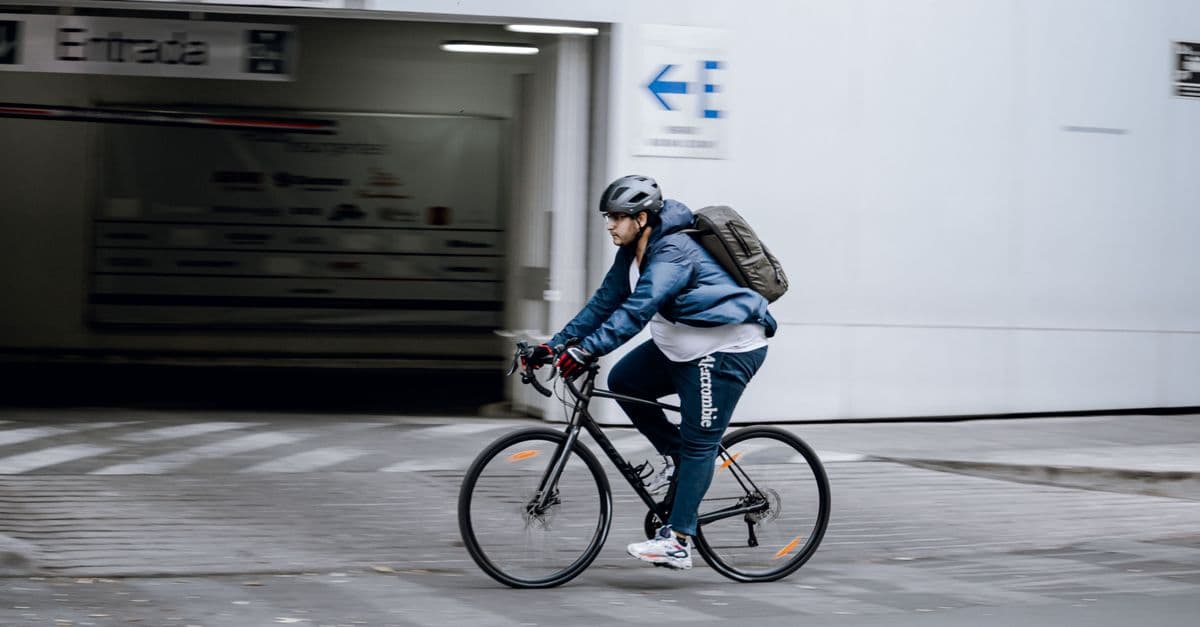 Photo by Ali Alcántara on Pexels
Here is a helpful comparison: your license plate is a lot like your IP address.
Your IP address is a unique number that identifies your internet connection. Every website you visit, every app you use, and every online service you log into can see that number and link it to your activity. In many ways, it is the digital equivalent of a plate scanner for your online life. You can check what your IP address reveals using our What Is My IP Address tool.
The difference is that you have more control over your digital plate than your physical one.
A VPN, for example, can mask your IP address and encrypt your traffic so your internet provider and the websites you visit cannot easily see what you are doing. A VPN does not stop a police camera from scanning your license plate. That is a physical problem. But if you use a rideshare app, a parking app, a navigation app, or a toll payment app while driving, those apps also collect your IP address, phone location, and account details. A VPN helps separate that digital trail from the physical trail of your plate.
If you want a broader overview of how to protect your personal information, our Complete Guide to Online Privacy walks through the basics step by step.
And if your plate data ever ends up in a breach, either from a police vendor or a private parking company, our Data Breach Response Guide explains what to do in the first 48 hours. Breaches involving location data are rare, but they do happen. Being prepared costs nothing.
Key Takeaways
- Automated license plate readers now capture millions of ordinary trips every day, not just suspicious vehicles.
- Each scan records your plate, time, and location. Combined over time, that data can reveal your home, work, routines, and relationships.
- You cannot realistically stop every plate camera in 2026, but you can reduce your exposure legally and practically.
- Parking in a garage, driveway, or covered spot makes your plate less visible to passing cameras.
- Many states and cities limit how long police can keep ALPR data. Learn your local rules and request your own records.
- Be skeptical of plate covers and sprays. Most do not work against modern cameras and many are illegal on public roads.
- Your digital activity is also tracked. A VPN masks your IP address but does not hide your physical license plate.
A Simple Step for the Digital Part
If the idea of cameras tracking your car makes you uneasy, it helps to close the digital gap too. GhostShield VPN cannot stop a police camera from reading your plate, but it can prevent your internet provider, apps, and websites from stitching together your online activity with the same ease. When you use a VPN, your IP address is hidden and your traffic is encrypted, which means the online trail you leave behind says a lot less about you.
That is not a replacement for parking smart or knowing your local ALPR laws. It is a complement. If you want to see how it works on your devices, you can check out GhostShield VPN plans or download the app to give it a try.
Related Topics
Keep Reading

How to Secure Your Instagram Account from Hackers in 2026 (Easy Steps)

Is Your Smart TV Listening? How to Stop Amazon AI from Eavesdropping

How to Keep Your Passport Safe Online in 2026: Easy Security Tips
Smartwatch Privacy Risks: 5 Simple Fixes to Protect Your Data in 2026

Is T-Mobile’s Live Translation Listening to Your Calls? How to Protect Your Privacy
