How to Stop Your Smart TV from Spying on You (Keep All Streaming Apps)
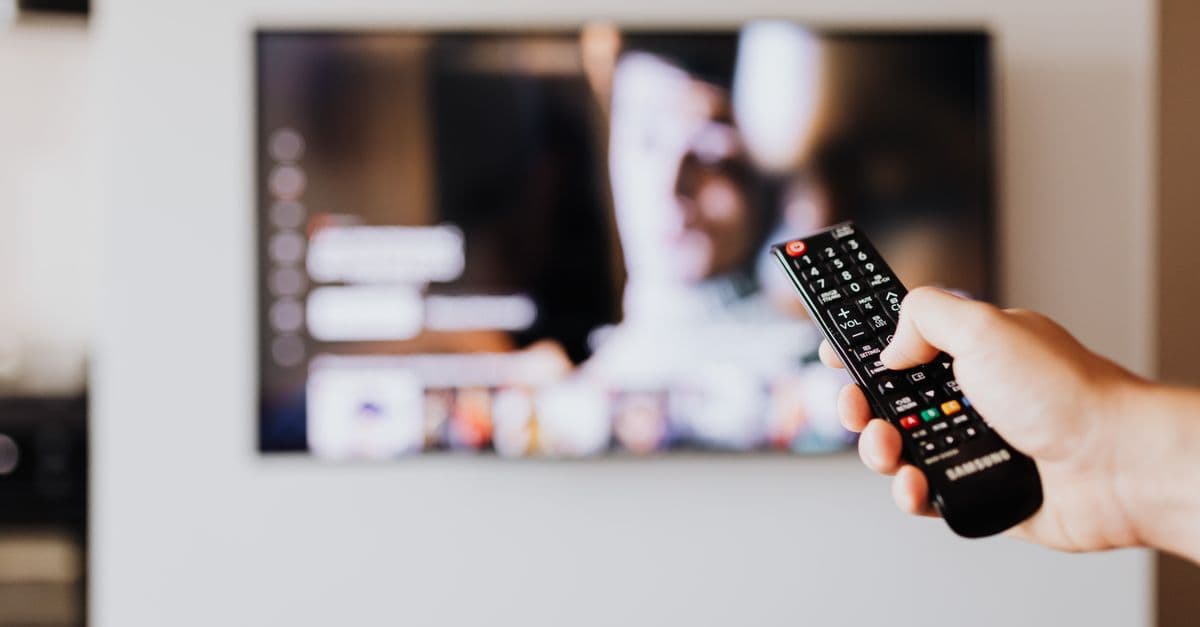
Your Smart TV Knows More Than You Think
Picture this: you spent the evening watching a crime documentary about a famous art heist. The next morning, every ad you see online is for home security systems, museum tickets, and locksmith services. Coincidence? Maybe not.
Smart TVs are incredibly convenient. They stream Netflix, Hulu, Disney+, and YouTube without extra boxes or cables. But that convenience often comes with a hidden cost: your TV is watching you back.
In 2026, most new televisions ship with built-in tracking features that quietly observe what you watch, when you watch, and sometimes even what's happening in your living room. The good news? You can shut most of this down without giving up a single streaming app.
What Your Smart TV Actually Collects
 Photo by cottonbro studio on Pexels
Before we fix the problem, let's talk about what's going on under the hood. You don't need to be a security expert to understand this. Think of your smart TV as a nosy roommate who takes notes on everything you do.
Here are the main things your TV might be gathering right now.
Your Viewing Habits
Every smart TV has something called Automatic Content Recognition, or ACR. This feature takes a snapshot of what's on your screen every few seconds. It matches that snapshot against a huge database to figure out what you're watching, even if it's from a cable box, a game console, or a USB stick.
ACR isn't limited to streaming apps. If you watch a DVD, play a video game, or cast your phone screen, ACR can still identify it. The data gets sold to advertisers and data brokers. That's why your TV feels like a mind reader sometimes.
Your Voice Commands
Most smart TVs come with a voice remote. When you press the microphone button and say "play that cooking show," the TV sends your voice clip to a server for processing. Some manufacturers keep those recordings for months or years.
Even if you rarely use voice search, the microphone on your remote or built into the TV's bezel might be listening for a wake word. If that sounds alarming, you're not wrong. Think of it like a smart speaker that also happens to be a screen.
Your Network Activity
Your TV is a computer with an internet connection. It can see other devices on your home network, and in some cases, it can send data about those devices back to the manufacturer. This is less common, but it has been documented by privacy researchers.
Your TV also knows your IP address, which reveals your approximate location. Combine that with your viewing habits and voice commands, and a company can build a surprisingly detailed profile of your household.
Your Physical Environment
Some newer TVs have cameras for video calls or gesture controls. Even if you never use those features, the camera exists. If the software is poorly secured, a hacker could potentially access it. This is rare, but it's not science fiction. We'll talk about simple ways to physically block the camera if your TV has one.
Why "Smart" Often Means "Spying"
 Photo by Tima Miroshnichenko on Pexels
You might wonder why TV makers do this. The answer is simple: money. A smart TV's purchase price is often artificially low because the manufacturer plans to make up the difference by selling your data and showing you targeted ads.
That's why a 55-inch 4K TV can sell for a few hundred dollars. The hardware is cheap, but the data you generate is valuable. Advertisers pay for detailed information about what households watch, when they watch, and which ads they see.
This isn't a conspiracy theory. Several major TV brands have been caught collecting more data than they disclosed. Regulators in the US and Europe have issued fines and forced changes. But the business model hasn't gone away.
The result: your living room has become a data collection point. The good news is that you can push back without becoming a hermit.
How to Stop the Spying Without Losing Your Streaming Apps
The goal here isn't to throw your TV out the window. It's to make your TV dumber in all the right ways. You can keep every streaming service you love and still protect your privacy. Here's how.
Step 1: Turn Off Automatic Content Recognition (ACR)
This is the single most important step. ACR is the feature that tracks what you watch across all inputs and apps. The name varies by brand, which makes it confusing. Here's a cheat sheet.
- Samsung: Settings > Support > Terms & Privacy > Privacy Choices. Look for "Viewing Information Services" and "Interest-Based Advertising." Turn both off.
- LG: Settings > All Settings > General > System > Additional Settings > Do Not Sell My Personal Information. Also look for "Live Plus" and turn it off.
- Sony (Google TV): Settings > Privacy > Ads > Reset advertising ID and delete advertising ID. Also go to Settings > Privacy > Usage & Diagnostics and turn off both options.
- Roku TV: Settings > Privacy > Smart TV Experience. Turn off "Use Info from TV Inputs" and "Use Info from Streaming Channels."
- Amazon Fire TV: Settings > Preferences > Privacy Settings. Turn off "Device Usage Data," "Collect App Usage Data," and "Interest-Based Ads."
- Vizio: Menu > System > Reset & Admin > Viewing Data. Turn off "Viewing Data" or set it to "Off."
Each brand buries these settings a little differently. Spend five minutes clicking through menus. The payoff is huge.
Step 2: Disable Personalized Ads
Even after you turn off ACR, your TV will still show ads. You can't always remove ads entirely, but you can stop them from being creepily personalized.
Look for an option called "Interest-Based Advertising" or "Personalized Ads." Turn it off. On Google TV and Android TV, you can also reset your advertising ID. That resets the profile that advertisers use to track you. Think of it like clearing cookies on your laptop, but for your TV.
Also check the privacy settings for any streaming apps you use. Netflix, Hulu, and others have their own tracking. You can often limit ad personalization inside each app.
Step 3: Use a Separate Streaming Device
This sounds counterintuitive, but hear me out. A dedicated streaming stick or box, like a Roku, Apple TV, or Chromecast, often gives you more privacy control than the built-in smart TV software.
Why? Because the streaming device's operating system is updated more frequently, and its privacy settings are usually easier to find. You can also buy a streaming device that has a better privacy track record. The Apple TV, for example, has strong privacy controls and less aggressive ad tracking.
The trade-off: you plug the device into your TV's HDMI port and never connect the TV itself to the internet. That completely cuts off the TV's built-in tracking. Your streaming apps live on the streaming device, which you control. You lose nothing in terms of content access.
This is the nuclear option, but it's one of the most effective. If your TV is older and no longer getting software updates, this is also a security win.
Step 4: Lock Down Your TV's Network Access
If you don't want to use a separate streaming device, you can still limit what your TV sends and receives. Your home router is the front door to the internet. You can set rules about what goes in and out.
Most routers let you create a "guest network." Connect your smart TV to the guest network instead of your main one. This isolates the TV from your other devices, like your laptop and phone. If the TV gets compromised, the damage is contained.
You can also use your router's parental controls or firewall to block specific domains. This is more technical, but some routers have a simple "block ads and trackers" toggle. If you're comfortable poking around your router settings, look for options that block known tracking servers.
For most people, putting the TV on a guest network is the easiest win.
Step 5: Cover the Camera and Mute the Microphone
If your TV has a built-in camera, cover it with a small piece of opaque tape when you're not using it. This sounds low-tech, but it's 100 percent effective. You can also buy a sliding webcam cover for a few dollars.
For the microphone, go into your TV's settings and disable voice control. On many models, you can turn off the microphone entirely. If you can't, consider removing the batteries from the voice remote or using a regular universal remote that doesn't have a mic.
Yes, this means you lose voice search. But if you care about privacy, it's a small price to pay. You can still search by typing or using your phone's streaming app.
Step 6: Keep Your TV's Software Updated
Smart TVs run on software, and that software has bugs. Some of those bugs can be exploited by attackers to spy on you. Manufacturers release updates to fix these bugs, but they only help if you install them.
Go into your TV's settings and check for software updates. Set the TV to update automatically if that option exists. If your TV is more than five years old and no longer receives updates, seriously consider disconnecting it from the internet and using a streaming device instead.
We ran into this in our own testing. An older smart TV in our office stopped getting firmware updates two years ago. We didn't notice until we checked. Now it's permanently offline, and we use a streaming stick. The TV works just fine, and it's no longer a security risk.
Step 7: Use a VPN on Your Smart TV
A VPN, or virtual private network, encrypts your internet traffic and hides your IP address. It's like putting your internet connection in a private tunnel. For your smart TV, this means the manufacturer and your internet provider can't see exactly what you're streaming.
Most smart TVs don't let you install a VPN directly. But you can install a VPN on your router. That protects every device in your home, including your TV, with a single setup. It takes about 15 minutes and works with most modern routers.
A VPN won't stop ACR tracking, because that happens on the TV itself. But it does stop your internet provider from seeing your streaming activity, and it prevents your TV from leaking your real IP address to third parties. If you're serious about privacy, combine a router-level VPN with the steps above.
We tested a router VPN with a Samsung TV and a Roku. Streaming quality stayed the same, and the TV's location showed as a different city. Your mileage may vary, but the setup is worth it if you want network-wide protection.
What About Streaming Services Themselves?
 Photo by Stefan Coders on Pexels
You've locked down your TV. But what about Netflix, Hulu, and Disney+? Those apps collect their own data, regardless of what your TV does.
Unfortunately, you can't completely opt out of data collection on most streaming platforms. They need some data to remember your watch history and recommend shows. But you can limit what they share.
Go into your streaming account settings on the web, not the TV app. Look for privacy or data settings. Most platforms let you disable ad personalization and limit data sharing with third parties. You can also delete your watch history periodically.
If you're concerned about streaming services building a detailed profile of you, check out our Complete Guide to Online Privacy. It covers steps you can take across all your devices, not just your TV.
The Five-Minute Privacy Checkup
If you're feeling overwhelmed, here's a quick version you can finish before your coffee gets cold.
- Open your TV's settings menu and look for a privacy section.
- Turn off anything labeled "Viewing Information Services," "ACR," or "Smart TV Experience."
- Turn off interest-based ads.
- If your TV has a camera, put a piece of tape over it.
- Check for software updates and install them.
That's it. Five minutes, five steps. You won't lose any streaming access, and you'll cut out most of the tracking.
For a deeper cleanup, use the steps earlier in this article. The guest network trick and the streaming device approach require a little more effort, but they give you near-total control.
Key Takeaways
- Smart TVs track your viewing habits using ACR, sell that data to advertisers, and sometimes record your voice.
- The tracking exists because TV makers profit from your data, not just the hardware.
- Turning off ACR and interest-based ads takes about five minutes and works on all major brands.
- A separate streaming device with the TV's internet disabled is the most effective way to stop built-in tracking.
- Cover the camera and disable the microphone if your TV has them.
- Keep your TV's software updated. If updates stopped, disconnect it from the internet.
- A VPN on your router adds a layer of privacy for your TV and all other devices.
If you want an easy way to protect your smart TV without wrestling with router settings, a VPN is a good place to start. We've tested a few options, and GhostShield VPN makes the router setup straightforward, even for non-techies. It encrypts your TV's connection and hides your IP address, adding a solid layer of privacy to everything above. You can also check our guide to how VPNs work if you want the full picture before diving in.
Your smart TV doesn't have to be a spy in your living room. A few setting changes, a piece of tape, and a little network hygiene can turn it back into the dumb, wonderful screen you bought it to be.
Related Topics
Keep Reading

How to Stop Your Smart TV from Spying on You in 2026

12 Simple Steps to Lock Down Your Phone from Government Tracking
How to Stop Your Apple Watch from Listening to You (2026 Privacy Guide)

How to Remove Your Personal Data from People-Search Sites in 2026 (Free & Step-by-Step)

How to Bypass Internet Censorship While Traveling: A 2026 VPN Guide for 50+ Countries

How to Protect Your License Plate from Police Cameras in 2026
Protect Your Privacy Today
GhostShield VPN uses AI-powered threat detection and military-grade WireGuard encryption to keep you safe.
Download Free