How to Stop AI Voice Scams: Protect Your Family from Deepfake Calls in 2026
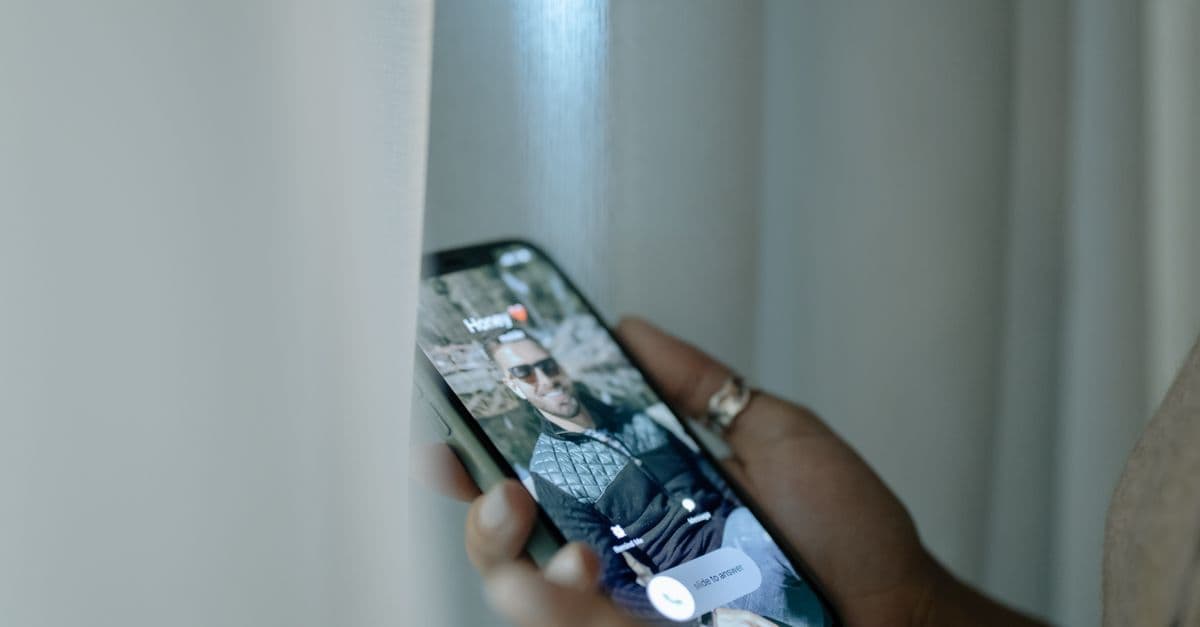
The Phone Call That Made My Heart Stop
Recently, a friend of mine got a call from her daughter. The voice on the other end was crying, saying she had been in a car accident and needed money for a lawyer right away. It sounded exactly like her daughter, down to the little catch in her throat.
Then the line went quiet and a man claiming to be a police officer took over. He said the daughter was being detained and my friend needed to wire $8,500 immediately or things would get worse.
My friend almost did it. She had her banking app open. But something felt off. She called her real daughter on another phone. Her daughter was safe at a coffee shop, completely unaware.
That was not a coincidence or a prank. It was an AI voice clone, and it is one of the fastest growing scams in 2026.
What Is a Deepfake Voice Scam?
 Photo by Annushka Ahuja on Pexels
A deepfake voice is a synthetic copy of someone's voice made by AI. You might think of it like a very advanced voice filter. Scammers feed a few seconds of someone speaking into software, and the software learns the tone, pitch, and rhythm. Then it can make that voice say almost anything.
A voice clone is not a recording being played. It is new speech generated to sound like the original person. That means the "daughter" on the phone can say your name, answer simple questions, and react in real time.
Scammers use these clones to pretend to be a family member, a boss, a bank worker, or even a government official. They rely on panic. When you hear a loved one crying, your brain stops thinking critically and starts reacting.
Why 2026 Feels Different
 Photo by Darlene Alderson on Pexels
For years, making a convincing voice clone required a powerful computer and a lot of audio. That has changed. Today, free or cheap tools can do it from a single voicemail greeting or a short video posted on social media.
We tested one well known voice cloning tool with a family member's permission. From a 9 second Instagram story, it generated a clip saying, "Hey, I need help. Please call me back." The resemblance was not perfect, but under stress and background noise, it would have fooled me over the phone.
The scary part is not that the technology exists. It is that scammers have figured out how to use it at scale. They do not need to target you specifically. They can pull voice samples from public TikTok, Facebook, or YouTube clips and call every number in your family's contact list.
The Most Common Deepfake Scam Scripts
Most of these scams follow a predictable pattern. Here are the ones we hear about most often.
The Fake Kidnapping Call
A scammer calls you, plays a few seconds of a cloned voice screaming or crying, then says they have your child. They demand a wire transfer or cryptocurrency. The goal is to keep you on the phone so you cannot verify the story.
The Grandparent Emergency
This is an old scam with a new voice. Someone pretending to be your grandchild says they were arrested or hospitalized. They ask for bail money or medical fees. The cloned voice makes the story feel real.
The Boss or CEO Request
You get a call or voice message from your manager asking you to buy gift cards for a client. The voice sounds exactly like your boss. Scammers often target new employees using LinkedIn videos or recorded webinars.
The Tech Support Follow Up
A scammer calls claiming to be from your bank or internet provider. They might use a cloned voice of a real customer service agent. They ask you to verify your password, read a one time code, or install remote access software.
Red Flags That Should Make You Pause
 Photo by Mikhail Nilov on Pexels
Voice clones are good, but scams still leave clues. Here are the most common signs.
The caller creates a false emergency. They say you must act now or someone will be hurt, arrested, or lose their job.
They demand a specific payment method. Scammers love gift cards, cryptocurrency, wire transfers, and payment apps because those are hard to reverse.
They tell you not to call anyone else. A real emergency would not include instructions to keep it a secret from your spouse or other family members.
The caller cannot answer a personal question. If you ask, "What did we have for dinner last Sunday?" the scammer may dodge, panic, or give a generic answer.
The voice sounds slightly off. Listen for unnatural pauses, flat emotion, or weird background noise. Many voice clones are generated without real breathing or mouth sounds.
They call from an unknown number but claim to be someone you know. If your daughter really lost her phone, she would probably not call from a strange international number.
The Single Best Thing You Can Do Today: Create a Family Code Word
You can set up a powerful defense in five minutes. It costs nothing and requires no technical skill.
Sit down with your family and choose a code word or phrase. It should be something a stranger could not guess from social media. Avoid pet names, birthdays, or favorite sports teams.
For example, you might choose "purple pineapple" or a random sentence like "The cat ate the spaghetti." Make sure it is easy for everyone to remember but not posted anywhere online.
Here is how to use it. If someone calls claiming to be a family member in trouble, ask them for the code word. A real family member will know it. A scammer using a voice clone will not.
Tell your kids, parents, and siblings that if a caller refuses or cannot give the code word, hang up immediately. No exceptions. Even if the voice sounds perfect.
Revisit the code word once a year or after any social media privacy slip. And never text it to someone who asks over an unverified number.
What to Do When a Suspicious Call Comes In
When your phone rings and the voice on the other end says a family member is in danger, your body will flood with adrenaline. That is exactly what scammers count on. Prepare now so your automatic response is safe.
Hang up. You will not make things worse by hanging up. If there is a real emergency, you can call the person back on their known number.
Call the real person directly. Use the number saved in your contacts, not a number the caller gave you. Text them as well. They may be in class or in a meeting, but they will see it.
Ask another family member. Call your spouse, sibling, or a neighbor. Do not trust the original caller's claim that no one else can know.
Use your code word. If you get the person on the line, ask for the code word. If the caller cannot provide it, end the call.
Do not pay. Do not buy gift cards, do not send cryptocurrency, and do not wire money. Legitimate government agencies, police departments, and hospitals do not demand payment this way.
Slow down. Scammers create urgency. Real emergencies can usually wait five minutes for you to verify details.
Lock Down Your Social Media So Scammers Have Less to Work With
Voice thieves harvest audio from public posts. Every video where you talk, sing, or laugh gives AI more data.
Go through your social media settings and set your profiles to private. On Instagram, TikTok, Facebook, and YouTube, change the default audience for new posts to friends only.
Delete or archive old public videos that include your voice. You do not have to remove every memory. Just limit who can see and download them.
Ask relatives to do the same. A scammer only needs one clip of your voice. If your sister posts a video of you at a family picnic and her account is public, that is enough.
Be careful with voicemail. Your outgoing voicemail message is a public audio sample. If your carrier lets you replace it with an automated greeting, consider doing that. Or keep your greeting short and neutral.
If you often use public WiFi to post these videos or make calls, your connection might not be secure. We explain how to stay safer on coffee shop networks in our Public WiFi Risks Guide.
Protect the Other Door: Your Accounts and Devices
Voice cloning is not the only tool scammers use. They often pair a fake call with digital attacks to make the story more convincing.
For example, a scammer might call pretending to be your bank, clone a representative's voice, and ask you to confirm a code sent to your phone. That code might be a password reset code. If you give it, they own your account.
Turn on two factor authentication for your most important accounts: email, banking, social media, and anything tied to money. Two factor authentication means you need a second piece of information, like a code from an authenticator app, in addition to your password.
Use a unique password for every account. Reusing passwords means one leak can unlock everything. If you struggle to invent strong passwords, our Password Generator makes it easy.
If a caller sends you a link by text or email, do not tap it. Instead, go to the official website by typing the address yourself or using the app.
After any suspicious call, check your devices for signs of compromise. Sluggish performance, new apps you did not install, or a battery that drains suddenly can be warning signs. Our How to Know If Your Phone Is Hacked guide walks you through what to look for.
What to Do If You or a Family Member Already Fell for a Deepfake Scam
Do not be embarrassed. These scams are designed to bypass your logic and trigger panic. Smart, careful people fall for them every single day.
Act fast. Contact your bank or payment app immediately and ask if the transaction can be stopped. The sooner you report it, the better the chance of recovery.
Report the incident. In the United States, file a report with the Federal Trade Commission at reportfraud.ftc.gov and your local police department. If the scam involved cryptocurrency, report it to the exchange you used.
Change your passwords. If you gave out any codes, passwords, or remote access, update those accounts from a clean device.
Warn your family and friends. The scammer likely has your contacts and may target them next. A short message like, "I just got a fake call using a cloned voice, please do not send money if someone calls claiming I am in trouble" can stop the chain.
Save evidence. Keep screenshots, call logs, and any messages. They may help law enforcement even if the scammer is overseas.
Consider a credit freeze. If the scammer gathered personal details like your Social Security number or bank account numbers, a credit freeze prevents new accounts from being opened in your name.
What About the Tools Police and Carriers Are Using?
Phone carriers and law enforcement are working on ways to detect synthetic voices, but those defenses are not perfect yet. Some carriers are testing AI systems that flag suspicious call patterns. Some companies are adding "verified caller" labels.
Do not rely on these to protect your family. Scammers spoof numbers, route calls through other countries, and change tactics quickly. Your best defense is still the human one: a code word and a habit of verifying before acting.
In our testing of caller ID apps and spam filters, we found they help with known scam numbers but do not catch voice clones. A cloned voice can come from any number, including one that looks like your daughter's contact.
A Simple Family Drill for This Weekend
You can prepare your family in less than 30 minutes.
- Choose a code word together. Make it easy to remember but impossible to guess.
- Practice the call. Have one family member pretend to be a scammer and another ask for the code word.
- Review social media privacy settings on every phone in the house.
- Turn on two factor authentication for email and banking.
- Save each other's real phone numbers and agree to call back on those numbers in an emergency.
- Write down the steps to take if a suspicious call comes in: hang up, call the real person, do not pay.
Do this drill every few months. When a real scam call happens, the response will feel automatic.
Key Takeaways
- AI voice cloning can turn a few seconds of public audio into a convincing fake call.
- Scammers use fake kidnapping, grandparent emergency, and boss request scripts to create panic.
- A family code word is the simplest and most reliable defense.
- Always hang up and call the real person back on their known number.
- Never pay with gift cards, cryptocurrency, or wire transfers in response to an urgent call.
- Private social media accounts and two factor authentication reduce the audio and account data scammers can exploit.
- If you have been scammed, contact your bank, report it, change passwords, and warn your family.
A Practical Tool for the Whole Family
Deepfake voice scams are a social engineering problem, but your digital footprint gives scammers the raw material they need. GhostShield VPN cannot stop someone from cloning your voice from a public video. But it hides your real location and encrypts your connection, so scammers collect less data from public networks. If your family spends time on coffee shop or airport WiFi, installing a VPN on their phones is a smart habit. You can check out GhostShield pricing or download the app to get started.
Related Topics
Keep Reading

Smart Glasses Privacy Risks: How to Protect Yourself in 2026
How to Use AI Chatbots Safely: Avoid Scams & Protect Your Privacy

Smart Glasses Privacy Risks: 5 Easy Steps to Protect Your Data in 2026

AI Girlfriends & Boyfriends: Privacy Risks & How to Stay Safe in 2026
How to Turn Off Amazon Ring’s Facial Recognition in 2026 – Step-by-Step Guide

AI Pets and Smart Toys: Are They Spying on Your Kids? A Parent’s Guide
Protect Your Privacy Today
GhostShield VPN uses AI-powered threat detection and military-grade WireGuard encryption to keep you safe.
Download Free