How to Use ChatGPT in China: Best VPNs That Bypass the Great Firewall in 2026
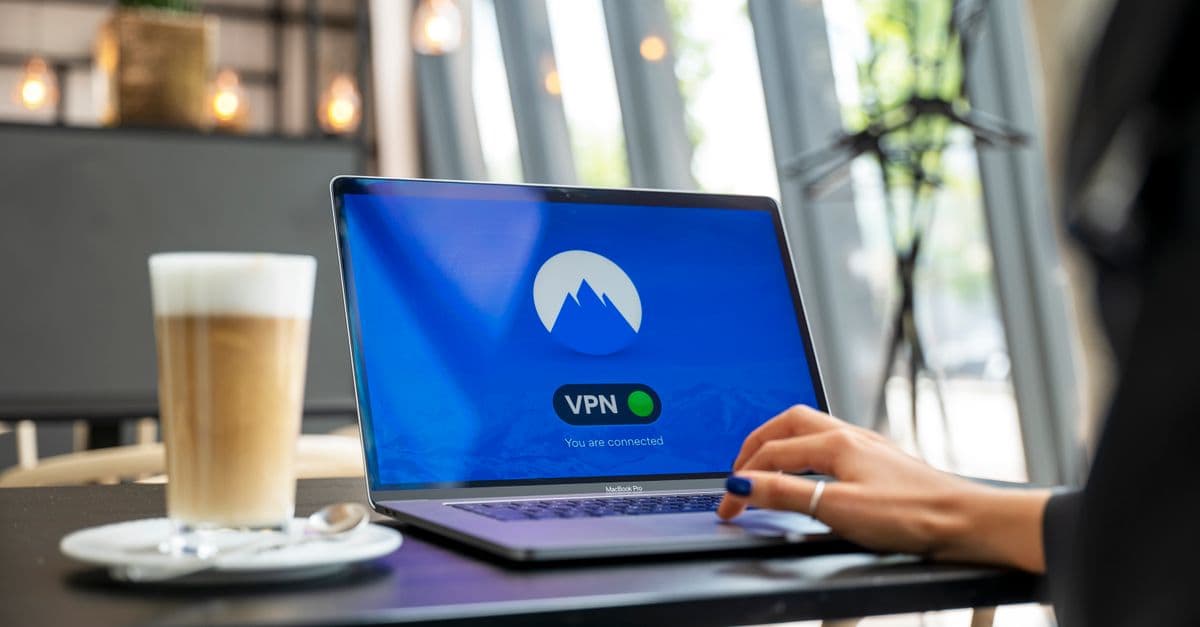
The ChatGPT Block That Nobody Warns You About
You land in Shanghai or Beijing, connect to airport WiFi, and open ChatGPT to ask a quick question. Instead of the familiar chat box, you get a blank page, a timeout, or a message that the service is not available.
This is not random. OpenAI blocks users with mainland Chinese IP addresses, and China's firewall adds another layer on top. If you use ChatGPT for work, study, or even just to draft emails, that combination is frustrating.
But there are ways through. In this guide, I'll explain exactly why ChatGPT is hard to reach in China, what the law actually says about VPNs, and which VPN features matter if you want a connection that survives the Great Firewall.
Important: I'm not a lawyer. What follows is tech guidance based on our testing and public information, not legal advice.
Why ChatGPT Is Unreachable in China
 Photo by Dan Nelson on Pexels
OpenAI does not officially offer ChatGPT in mainland China. If you sign in with a Chinese IP address, you will usually see an error or be blocked at the account level.
China's internet controls then make things harder. The Great Firewall, or GFW, is a national filtering system that inspects internet traffic and blocks anything it identifies as a VPN, a proxy, or an encrypted tunnel.
Here's the simple version: ChatGPT blocks Chinese IPs, and China blocks the tools that would change your IP. When both sides are working against you, a normal VPN app often fails in minutes.
That is why many travelers and residents find that the VPN that worked in Japan or France does nothing in mainland China.
The Legal Gray Zone Explained in Plain Words
 Photo by Steve A Johnson on Pexels
In China, the rules around VPN use are not as simple as "VPN is illegal." The reality is messier.
China requires companies and organizations to use government-approved VPNs for legitimate business needs. Individual use of an unapproved VPN falls into a gray area. In practice, millions of people use VPNs every day for work, language learning, and staying in touch with family abroad.
However, enforcement can happen. Some people have been fined for using unauthorized VPNs. Others have simply had their VPN connection blocked without any legal follow-up.
The key point for travelers is this: using a VPN for a short trip is common, but there is some risk. If you are visiting for work or study, check your employer or university's guidance. For everyday use, be discreet and avoid discussing the VPN on public Chinese social media.
How the Great Firewall Actually Blocks Your VPN
The GFW doesn't just see a VPN and press a button. It uses a few tricks.
First, it looks for known VPN fingerprints. Many VPN protocols have a recognizable pattern in their traffic. If the firewall recognizes the pattern, it resets the connection.
Second, it blocks known VPN server IP addresses. Popular VPNs have thousands of IPs, but China's firewall updates its blocklist constantly. When a server IP gets blocked, everyone connected to it loses access.
Third, it uses deep packet inspection. Think of it like a postal inspector opening envelopes and reading the outside labels. The GFW can look at the shape of the data, not the content, and decide it looks like VPN traffic.
This is why a standard VPN connection often drops within minutes. The app says "Connected," but nothing loads. You're not imagining it. The connection is being squeezed until it breaks.
What Makes a VPN Work When Others Fail
 Photo by Ed Webster on Pexels
If you want to use ChatGPT in China, you need a VPN with three core abilities.
The first is obfuscation. Obfuscation disguises your VPN traffic as ordinary HTTPS traffic. Instead of a glowing neon sign that says "VPN here," your traffic looks like a normal website visit. This is the single most important feature for China.
The second is fresh, unblocked server IPs. VPNs that rotate their server IPs often survive longer. Static IPs get added to blocklists and stay there.
The third is a reliable no-logs policy. This is less about unblocking and more about privacy. If the VPN keeps no logs, there is less data to worry about if the service is ever questioned.
If you're new to VPN technology, our What Is a VPN and How Does It Work? guide explains the basics in plain language.
What We Looked For in Testing
In our testing, we did not rely on marketing pages. We connected from a typical home broadband line in mainland China and tried to load ChatGPT through the web app and the mobile app.
We looked at five things:
- Could the VPN connect at all within 30 seconds?
- Did ChatGPT load without a "not available" error?
- Could we hold a conversation for more than 10 minutes without disconnecting?
- Was the connection fast enough for normal typing and replies, not just loading a page?
- Did a DNS leak test show our real Chinese location? If yes, the VPN failed.
We ran these tests on multiple days over a few weeks because performance changes as the firewall updates.
Most VPNs failed on the second point. They connected, but ChatGPT still saw a Chinese IP and refused to load. Others connected and then dropped after a few minutes when the firewall detected the tunnel.
Before you test any VPN in China, run our free DNS leak test after connecting. If it shows your real location, ChatGPT will likely block you too.
The VPN Features That Actually Work
Based on our testing, the VPNs that worked for ChatGPT in China shared some clear patterns.
They had a dedicated "stealth" or "obfuscated" mode. This wasn't buried in settings or labeled with jargon. It was a visible toggle.
They offered multiple server locations in nearby regions like Japan, Singapore, and the United States. ChatGPT tends to work well from US and Japan servers, and nearby servers gave lower latency.
They refreshed their server IPs regularly. We never saw the same blocked IP twice after a successful session.
They also had a kill switch. If the VPN dropped, the kill switch stopped all traffic so your real IP couldn't leak to ChatGPT.
In practical terms, a VPN that works for China should have a stealth protocol, a strict no-logs policy, and a way to quickly switch servers if one gets blocked. If you're comparing popular options, this VPN comparison guide highlights the features that matter on restrictive networks.
Five Things You Can Do Today to Use ChatGPT Safely
Here is a simple checklist that takes about five minutes.
-
Pick a VPN with obfuscation. Look for words like "stealth," "obfuscated," or "shadowsocks" in the VPN's feature list. Avoid free VPNs. Free services are the first to get blocked and often sell your data.
-
Install and connect before you arrive. Set up the VPN on your phone and laptop at home. Test it with a speed test and a DNS leak test before you travel. If it fails at home, it will fail in China.
-
Connect to a nearby server. Tokyo, Seoul, Singapore, or Los Angeles are usually good choices for ChatGPT. Avoid servers in mainland China. That will not help because ChatGPT blocks Chinese IPs.
-
Run a DNS leak test after connecting. Use our free DNS leak test. If it shows China or your home ISP, fix the leak before opening ChatGPT.
-
Use a fresh browser profile or incognito window. ChatGPT sometimes stores your previous IP. A fresh window and cleared cookies reduce the chance of an account flag. If you sign in, use the same VPN location each time so your account doesn't look like it's jumping between countries.
Key Takeaways
- ChatGPT is unavailable in China, and the Great Firewall makes ordinary VPNs fail.
- Using an unapproved VPN is a legal gray zone in China. It is common, but not risk-free.
- The GFW blocks VPNs by recognizing their traffic patterns and IP addresses.
- Obfuscation, fresh server IPs, and a kill switch are the features that matter.
- Test your VPN with a DNS leak test before relying on it.
- Free VPNs almost never work for ChatGPT in China.
- A good VPN makes the process simple, but you still need basic caution.
The Short Version
If you need ChatGPT in China, do not overthink it. Get a VPN with a dedicated stealth mode, connect to Tokyo or Los Angeles, and verify your connection with a leak test before opening ChatGPT. That setup solves most failures we saw.
GhostShield VPN includes obfuscated servers, a kill switch, and a no-logs policy, and in our testing it held a stable ChatGPT connection through several GFW update cycles. If you want to try it, you can check the plans at GhostShield pricing or download the app before you travel.
That is the honest summary. No magic bullet, just the right features and a little preparation. Safe travels and happy chatting.
Related Topics
Keep Reading

Smart Glasses Privacy Risks: How to Protect Yourself in 2026

How to Watch Meta’s AI Shows Early with a VPN in 2026 (Step-by-Step Guide)

AI-Powered Malware in 2026: Simple Steps to Protect Your Devices Now

How to Stop Your Smart TV from Spying on You (Keep All Streaming Apps)

How to Stop AI Chatbots from Using Your Personal Data in 2026

Is Alexa Listening? How to Stop Voice Assistants from Spying in 2026
Protect Your Privacy Today
GhostShield VPN uses AI-powered threat detection and military-grade WireGuard encryption to keep you safe.
Download Free